

Putting together an Alaska cruise packing list comes down to one word: layers. Alaska weather behaves a lot like Patagonia, where it can be sunny and gorgeous until the wind turns, and five minutes later you’re as bundled up as you can be.
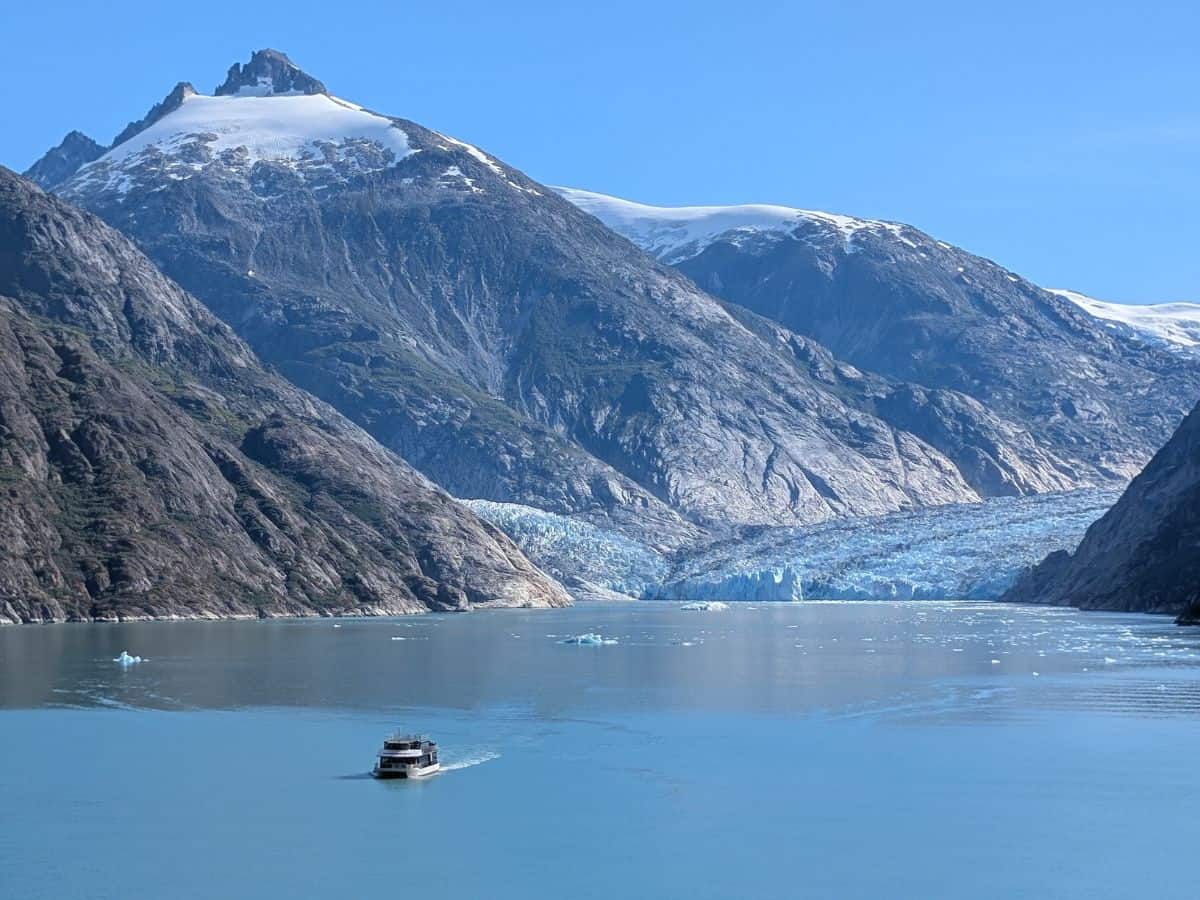
I just got back from a 10-day Alaska cruise that was my graduation gift to my kids. We had the best week of the entire season, with sun every single day and not a drop of rain.
You can’t count on that, though, so I packed for everything Alaska could throw at us. Here’s what I brought, what I wore constantly, and what I’d pack again, plus a free printable packing list you can check off as you pack.
Some of the gear in this article was sent to me as samples by the brands to test, and I purchased the rest myself. I only share products I use and love.
Some links in this article are affiliate links that may earn me a commission if you purchase through them.
What the Weather Is Like on an Alaska Cruise
We sailed in late August and early September. Most days, the lows were in the 50s, and the highs were in the low to mid 60s.
That sounds mild, and it was, but standing on deck in front of a glacier or out on a whale-watching boat with the wind blowing feels a lot colder than the number on your phone. And our weather was out of character for how sunny and pleasant it was.
Alaska is surprisingly rainy for much of the season, and conditions shift fast depending on where you are. A morning walking around port can be warm enough for one layer, and that afternoon on the water can have you digging for gloves and a jacket and a hat and….
When I packed for my trip to Patagonia, I learned that the answer isn’t one heavy coat. It’s several thin layers you add and take off all day with a waterproof shell on top, and my Patagonia packing list follows the same approach.
Rain Jackets
No matter what, you cannot skip a rain jacket. Even on a dry day, a good shell blocks the wind, and the wind is what really chills you on deck and on excursions.
Look for something fully waterproof, with vents so you don’t overheat when the sun comes out and room to layer under it. I brought three different rain jackets for my family, and each one stood out for a different reason.
The Showers Pass Porlite Refuge Jacket was the perfect jacket for me. It kept me warm, but I never got overheated, thanks to the extra-long core vents.
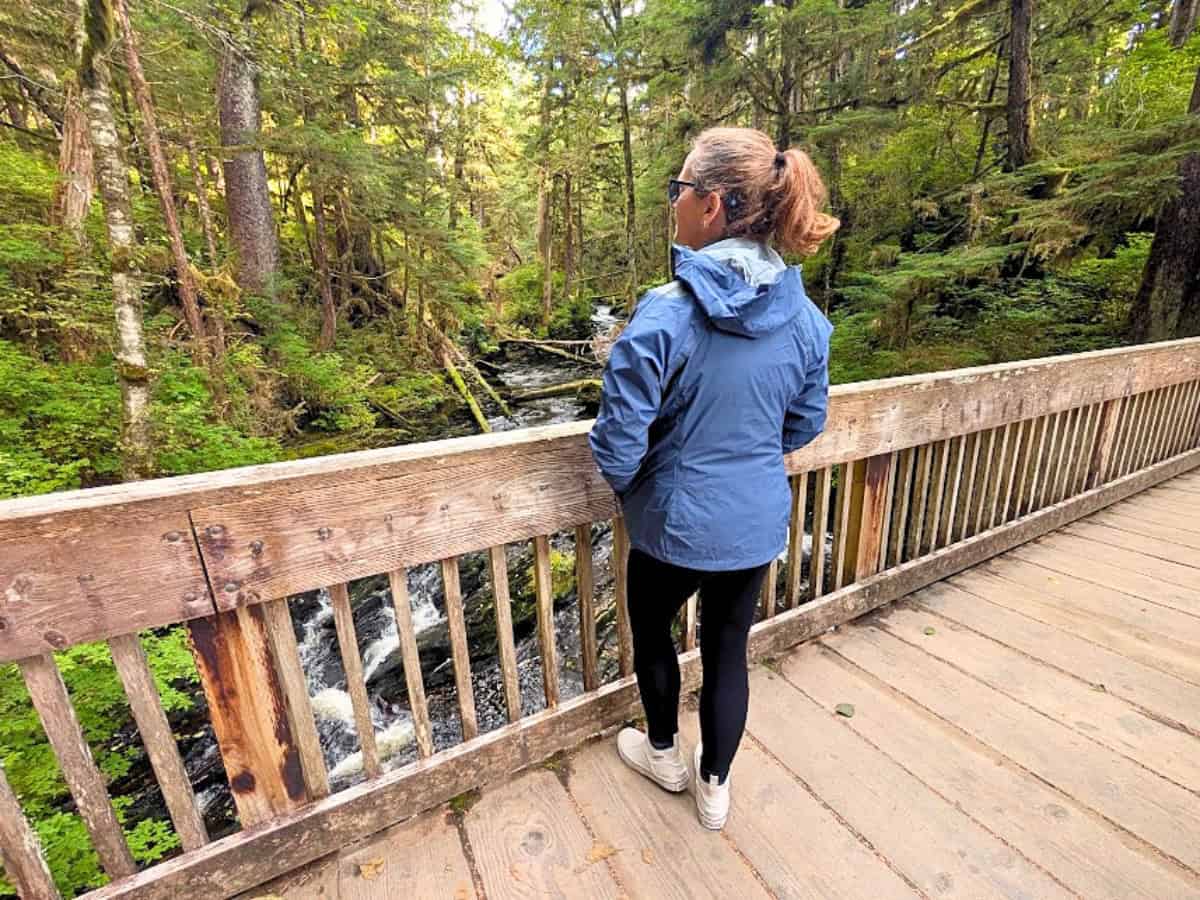
The longer tail is brilliant. We amazingly had no rain, but I would have been so grateful for that drop-down tail every time I had to sit down somewhere wet.
It’s fully seam-taped and PFAS-free, and the removable hood stows in an inside pocket when you don’t need it. I love the alpine blue, and this is the jacket my mom kept angling for the entire trip because the reflective material makes her easy to see on her early morning walks.
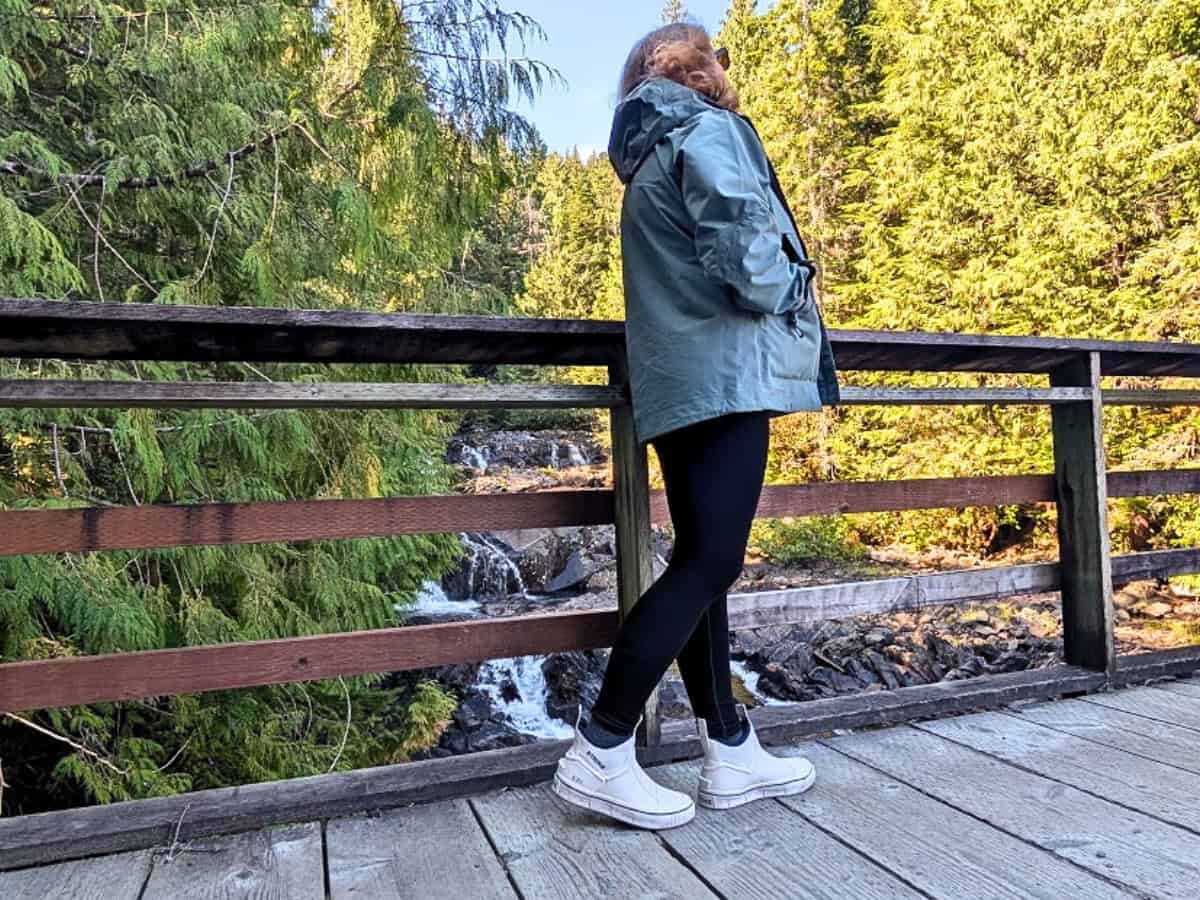
The Finisterre Stormbird Jacket is comfortable and cute, and it wasn’t too hot for me. It was easy to layer under without feeling super bulky, and it has great pockets, too.
It’s made from recycled materials and is seam taped, so it’s truly waterproof, and the curved hem helps keep you dry when you sit. It comes in even more colors, including some unique ones, and I’m really happy with my choice of deep sea.
The Paramo Velez Jacket is the one I trusted through day after day of pouring rain in Patagonia. Instead of a traditional waterproof membrane, it’s treated with PFAS-free Nikwax, and the venting zippers help on warmer days.
My daughter has officially stolen this one, and she wore it pretty much every day in Alaska. The bright red made it so easy to spot her in a crowd, and honestly, any of these jackets is a great investment you can wear and love for years.
Base Layers
Your base layers do most of the work to keep you comfortable. Look for thin, wicking pieces in merino wool or a similar performance fabric that you can stack on cool mornings and peel off by afternoon.
I first found Teren when I prepped for Patagonia, and I brought the Teren Traveler Tee in long sleeve with me again on this trip. While they’re men’s shirts, I find them incredibly comfortable and wear them all the time.
They’re so thin that I’m always surprised by how well they keep me warm. Because they’re so thin, I don’t look ridiculous with all the layers I sometimes need, either.
I absolutely loved the Minus33 Sequoia Midweight Quarter Zip, which worked on its own or over other layers depending on the day. It’s 100 percent merino wool, but it isn’t the scratchy wool I grew up wearing and hating.
The blue is pretty, and it wasn’t bulky, so it fit well under my jacket. This is going to be a regular in my fall rotation at home, not just something I wore on my Alaska cruise.
The SWOOP Hatchers Pass Tunic is incredibly soft, and I got compliments on it from several people. It has large pockets, works really well with leggings, and has a hood if the wind or rain picks up and you left your jacket in the cabin.
It comes in a variety of designs, and the Hatchers Pass design is my personal favorite. I love that the company was founded in Anchorage, so it really ties to Alaska.
On long excursion days, comfortable undergarments make a difference, too. A wire-free bra that won’t dig in under your layers is worth packing, and SWOOP’s mesh bra is super comfy under everything else.
Leggings and Pants
What you wear on your legs depends on the day. A sunny port day might only need leggings, while a windy boat deck or a rainy hike calls for a warm base layer with something waterproof on top.
The BRANWYN Essential Compressive Leggings were my favorite leggings, and I wore them almost every day. I planned to wear them as a base layer under water-resistant trekking pants, but our weather was so good that I never needed to.
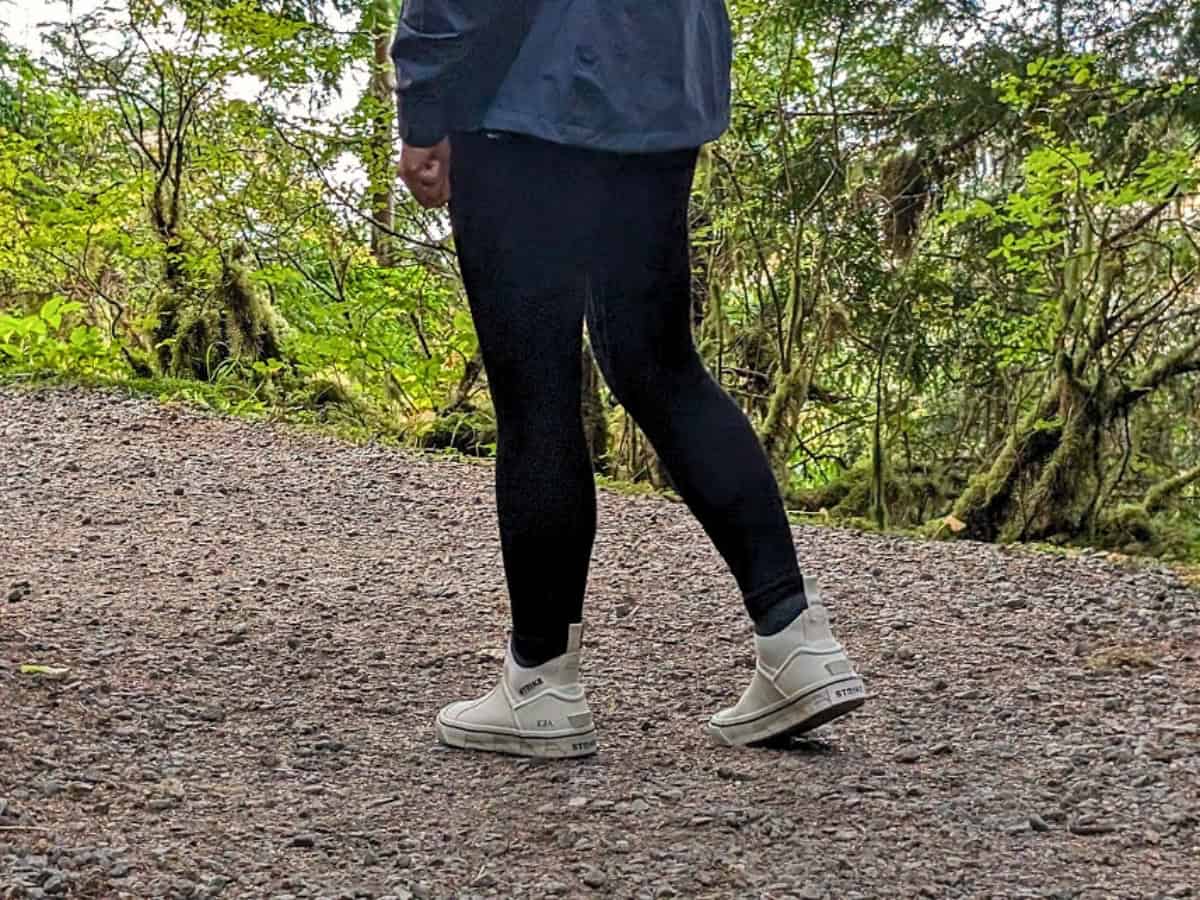
They’re made with merino wool, so they’re warm without being stuffy on the ship. When I say they’re comfortable, I mean I forgot they were wool until I went back to look up the details for this article.
I only wish they had pockets. They also come in a 25-inch inseam, and BRANWYN recommends sizing up if you’re between sizes because they’re designed to compress.
The Minus33 Magalloway Lightweight Wool Bottoms are thinner leggings that work well for unexpectedly warm days or as a layer under water-resistant pants. Again, if I didn’t know they were wool, I wouldn’t believe it, because they’re so soft and not at all itchy.
These don’t have pockets either, but everything else I wore did, so it worked out. My old leggings are ready for retirement, and these are great replacements.
If it rains the way it can in Alaska, a rain jacket isn’t enough. It rains buckets, the wind makes the rain come down sideways, and no one bothers with an umbrella that’s just going to end up flipped inside out.
The Paramo Cascada II Trousers go right over your leggings and keep your legs from getting soaked and cold. They zip up from the bottom of the legs if you need to cool off, and you may want to size up, as I found the sizing a little small.
I wore these in Patagonia on a 40-degree day of constant rain during an eight-hour horseback ride. I was the only one not wet or cold by the end.
My son wears the Teren Lightweight Traveler Pants, and they’re his go-to pants now. They work great for walking around on an excursion and dress up for dinner that night.
They don’t stain, and they resist odors thanks to their antimicrobial properties. Even better, they have a built-in insect repellent, so hiking in the forest means he doesn’t get bitten up by mosquitoes or attacked by ticks.
Hats, Gloves, and Neck Gaiters
The fastest way to warm up on deck is covering your hands, head, and neck. These pieces take up almost no room, and you’ll be glad you have them when the wind picks up near a glacier.
Look for waterproof gloves, since wet gloves get cold fast, and make sure they work with your phone because you’ll be taking a lot of pictures. The Cross Point Waterproof Knit Gloves in Sport are PFAS-free, touchscreen-compatible, and thin enough that you can still use your fingers.
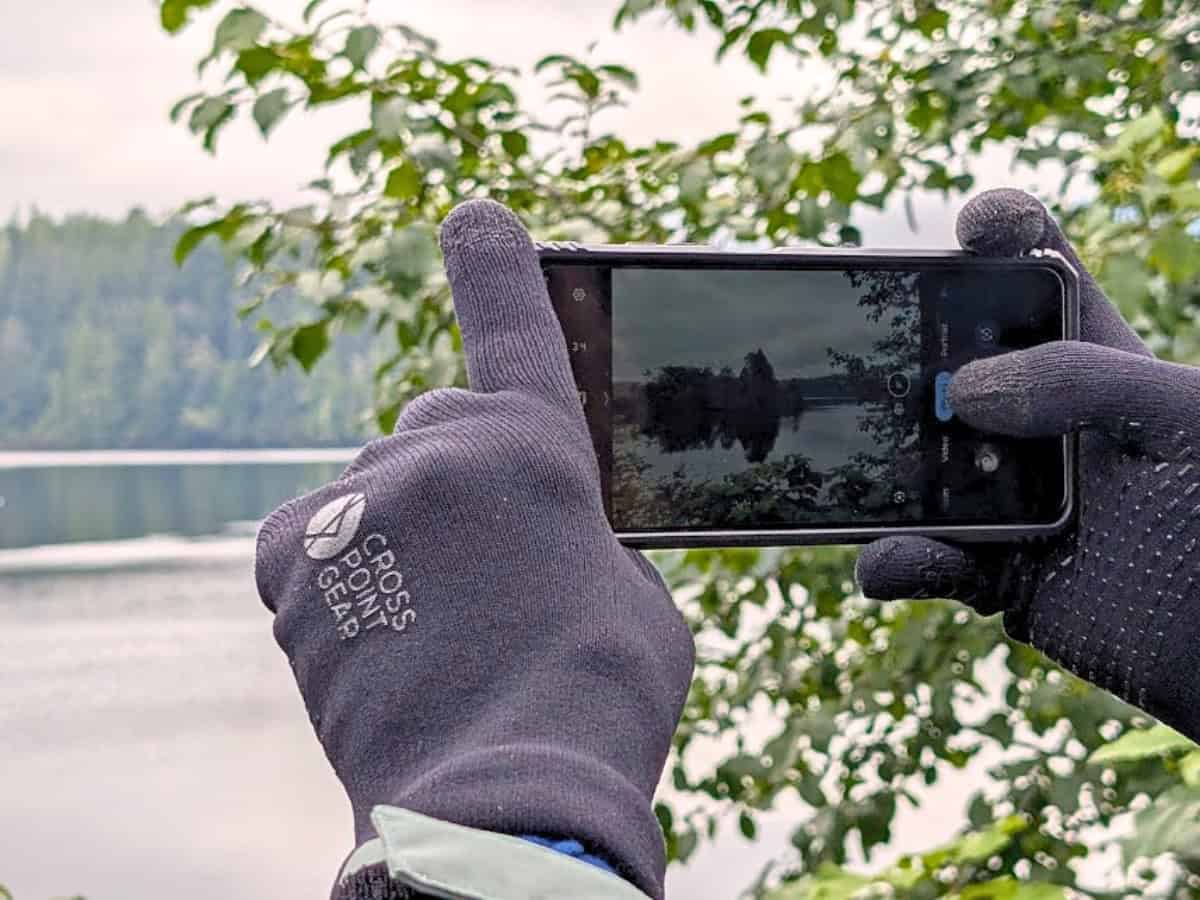
They aren’t quite enough on the super cold days, but they’ll work for most of your Alaska cruise. I kept them in my jacket pockets and pulled them out whenever the wind picked up.
The Minus33 Merino Wool Glove Liners are meant to go under other gloves or mittens when it’s really cold. My mom forgot her gloves, so I lent her these, and they worked great as a single layer, too.
A warm beanie is the easiest way to hold in body heat while you watch a glacier calve. Skip the one with the cute puffball on top and bring something snug that won’t catch the wind.
I also packed a neck gaiter. I didn’t need it because it was so unseasonably warm when we went, but on a normal Alaska September day, keeping the wind off your neck makes a big difference.
Socks
Merino and alpaca wool socks wick moisture away and keep your feet warm without bulk or overheating. I packed a mix of styles, from compression socks for the long flight to crew socks for boots and ankle socks for sneakers.
I first wore Hollow Socks in Patagonia, where I hiked four to eight hours a day, and they were so comfortable that I brought pairs for the whole family this time. I love the alpaca wool.
They claim you can wear them multiple days without washing because they resist odor and bacteria. I was skeptical, but even with the three of us being incredibly active day after day, we never had a foot-smell issue in our cabin.
I wore the Farm to Feet Damascus No Fly Zone Light Targeted Cushion Socks when we hiked in the forests. I don’t want ticks or mosquitoes biting me, and these come pretreated with insect-repelling permethrin that lasts up to 70 washes.
They’re made with US-sourced merino wool, resist odors, and have a seamless toe to help prevent blisters. They come in everything from low cut to full crew, which is ideal since everyone in my family has different preferences.
Shoes
Alaska is surprisingly rainy, so waterproof shoes matter. I brought just two pairs, rain boots and sneakers, and that was plenty.
The Strike Bigeye Boots were actually more comfortable than my sneakers. They’re easy to slide on and off, and my feet didn’t get hot, which is the main reason I’ve avoided rain boots in the past.
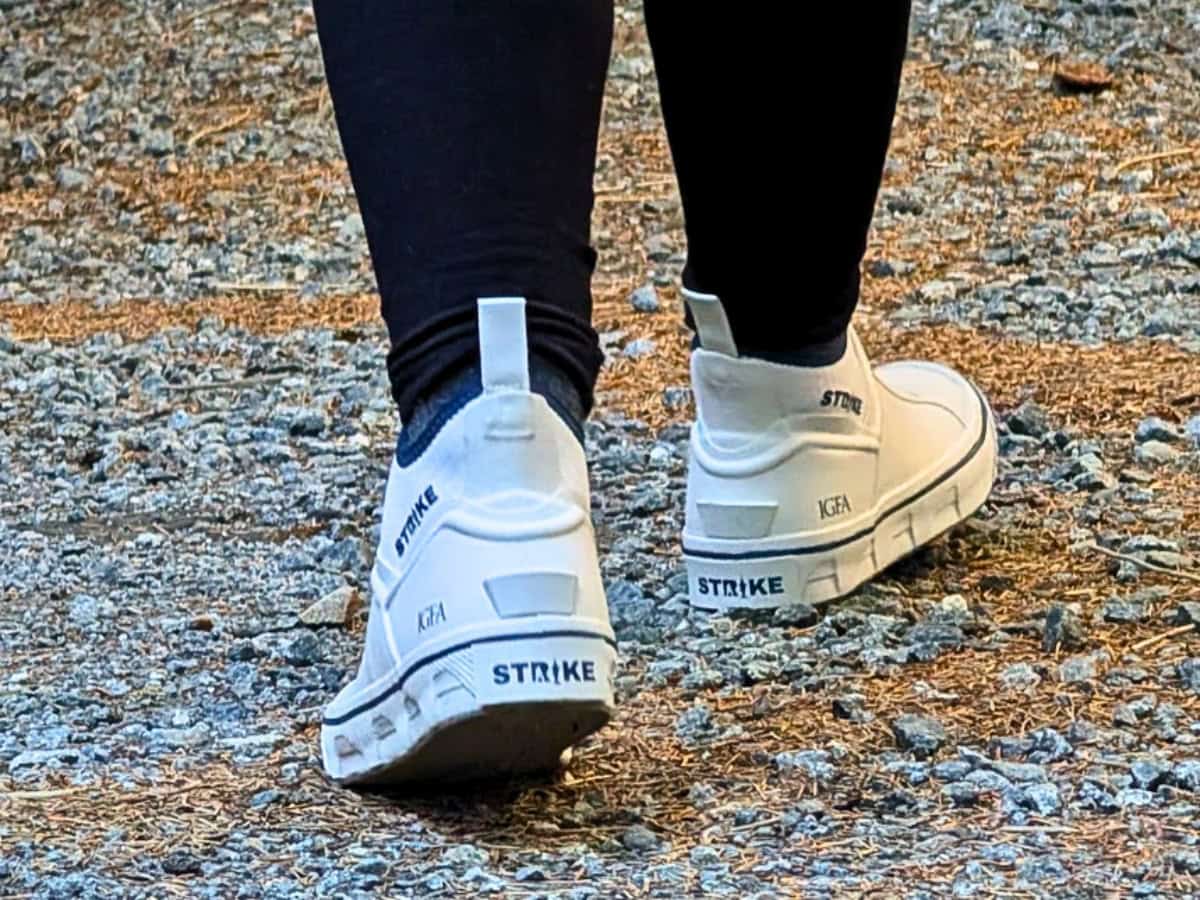
Several people asked me where I got them, and they’re stylish enough to wear even when it isn’t raining. They’re technically men’s boots, and a women’s version is in the works, but I love mine as is in off-white. These boots also come in navy or black.
We did a lot of walking, but the hiking on our excursions wasn’t intense, so I left my hiking boots at home. If you’re booking serious hikes, bring broken-in waterproof hiking boots instead.
What to Wear to Dinner on an Alaska Cruise
People dress up for dinner a lot less on an Alaska cruise than they typically do on a Caribbean or European cruise. I generally wore what I wore during the day, and that was pretty standard in the dining room.
On the elegant nights, many people did dress up in the long dresses and suits of traditional cruises. I chose to wear a nice pair of slacks or black leggings with a nice sweater, and I fit in just fine.
If you want to dress up, others will too, but you’ll find more flexibility in Alaska than elsewhere. If you’d rather pack light, you can put that space toward layers and rain gear.
Luggage and Bags
You want luggage that holds more than it looks like it should, plus a couple of smaller bags for days in port and around the ship. Waterproof matters more in Alaska than almost anywhere else you’ll cruise.
I used the BAGSMART Pebble carry-on for the first time on this trip, and I love this little suitcase. This new product line fits more than you’d expect, and the wheels roll incredibly well.
My two kids and I fit everything for our 12-day cool-weather trip into this suitcase plus three other small carry-ons we already owned, with room left for souvenirs. The hard shell closes easily, and you can configure the inside several ways or remove a piece if you want to fit as much as possible.
CruiseOn luggage tags protect your cruise line’s luggage tags so they don’t fall off between the port and your cabin. I print our tags at home, slide them into the plastic sleeve, and pop them on the morning we head to the port.
They make tags to fit just about every cruise line, and why there isn’t a standard size, I don’t know. If you cruise on multiple lines, the NCL version is the most universal, but if you’re loyal to one line, pick up the one made for it.
My Sea Bags tote is my new favorite bag. Mine features The Great Wave off Kanagawa by Katsushika Hokusai, one of my favorite pieces of art, and it’s made in Maine from recycled sails.
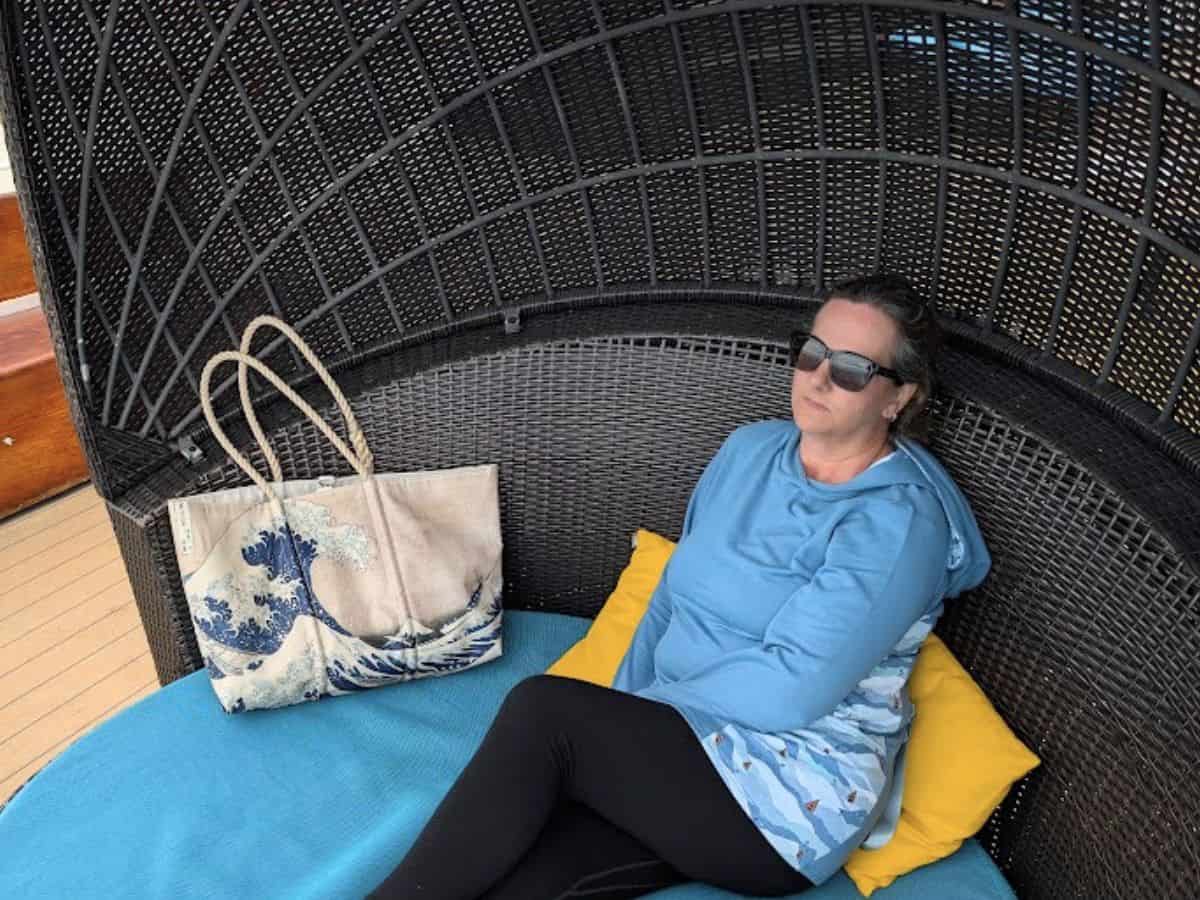
The large version carried everything my family needed around the ship and sometimes off it, too. I added the optional zipper pocket to keep valuables easy to reach, and it’s waterproof, which is perfect for both Alaska and the beach.
The BAGSMART REIKI Crossbody held my phone, sunscreen, wallet, and sunglasses case on days I didn’t want to bring a daypack. It expands to hold what I need but stays compact when I don’t fill it to the brim.
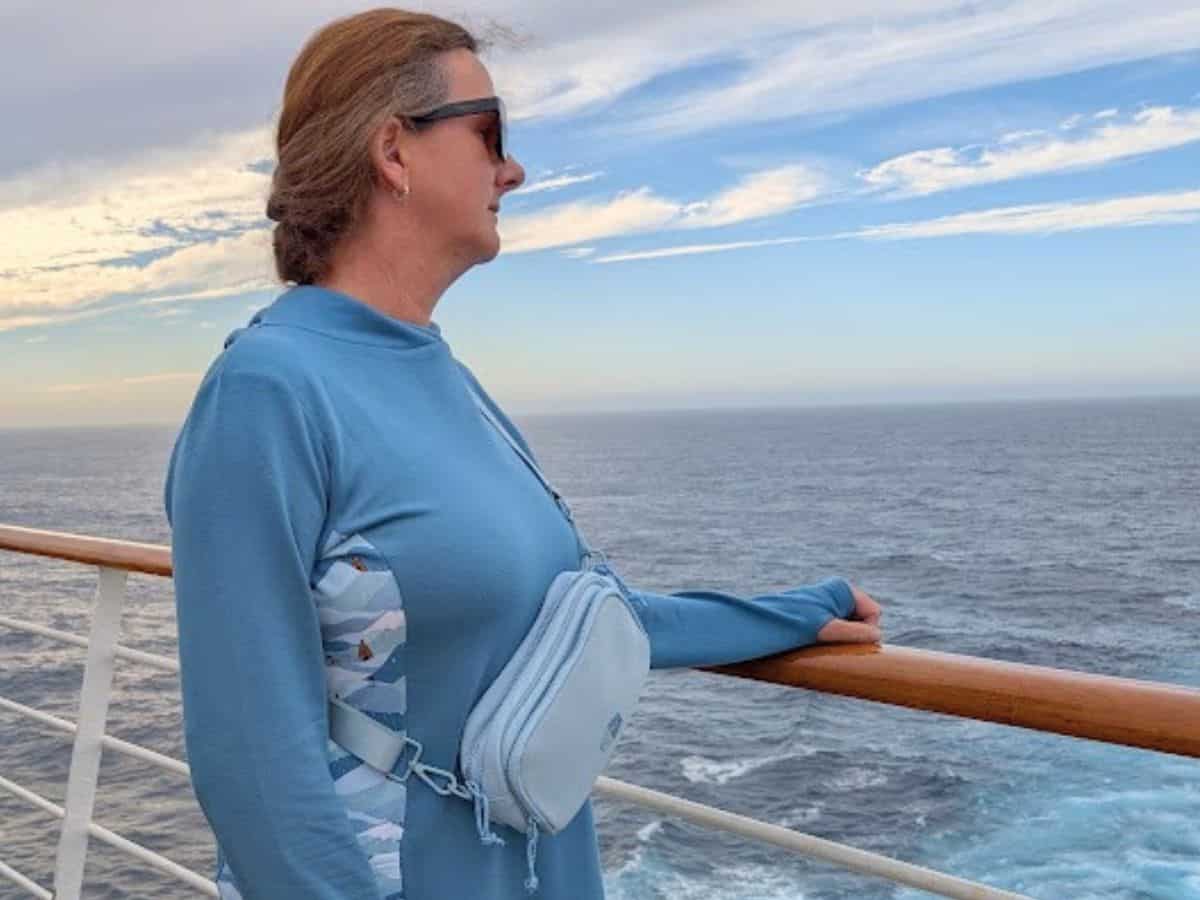
The light blue is cute and didn’t get dirty even though I used it almost every day. I’m still using it now that I’m home.
For longer excursions, I bring the Tripped Foldable Daypack. It’s waterproof, which is important for Alaska, and it folds up small when it isn’t in use.
I’m always surprised by how much it holds, from extra jackets and layers to water bottles, bug spray, and my wallet. Carrying it on my back keeps it out of the way and makes it feel lighter than a shoulder bag.
What to Carry on Excursions
Excursions can run all day, and you won’t be back at the ship if you forget something. These are the things that lived in my day bag.
I have blue eyes, so I can’t go outside comfortably without sunglasses, even when it’s cloudy. The glare off a glacier can be intense, and so can the glare off the water when you’re searching for whales or seals.
My Timberland sunglasses are lightweight and comfortable, and even with a relatively light tint, they did a great job protecting my eyes. They’re now in my regular rotation at home, too.

And yes, you need sunscreen in Alaska. The sun can still burn you, especially on the water and near the ice, so I bring a mineral sunscreen everywhere I go.
You don’t think about bugs in Alaska, but if you’re going into nature to find animals, you’re going to wish you brought bug spray. I use Repel, the same one I used on my Amazon river cruise, where the bugs are legendary.
It worked just as well in Alaska, and I appreciate that it uses natural, proven repellents instead of DEET. The size also fits carry-on liquid requirements.
There’s so much to see in Alaska, but a lot of it is wildlife, and it isn’t always close. The Nocs Provisions Zero Tube Monocular is small enough to pop into my crossbody bag, but it’s really powerful and easy to use.
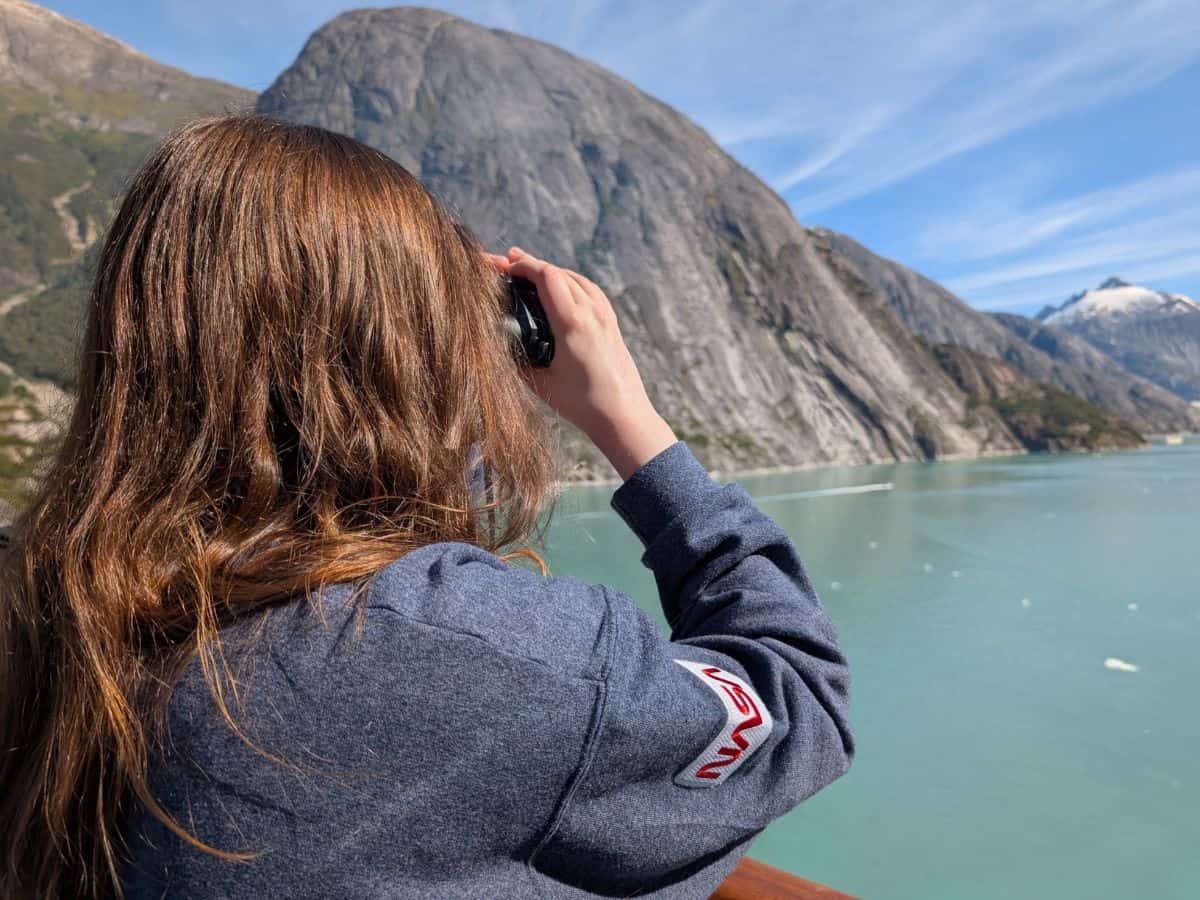
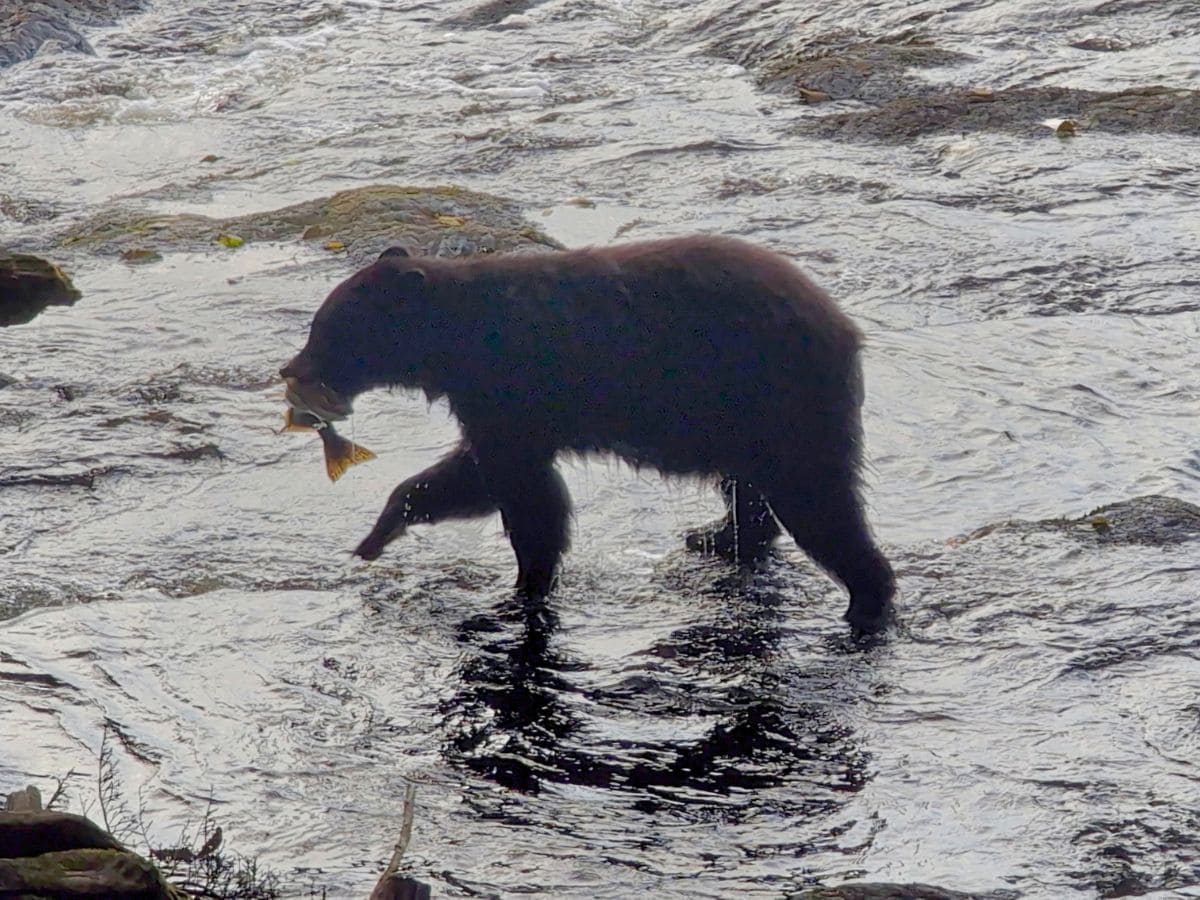
I spotted bears a couple hundred yards away faster than my dad, who was using traditional binoculars. Everyone loved it, and I passed it around the group every time, so I need a second one just for myself.
I bring a reusable water bottle everywhere I go, and I liked having two Ocean Bottle designs for two different purposes. The lip is super soft to drink from, and the top twists off in two places, so you can swap drink tops and clean it much more easily than a narrow-neck bottle.
Mine is the original 17-ounce size, but they also come in 24 and 34 ounces if you drink more water. There’s a loop so you can hook it on your backpack if your bag doesn’t have a bottle sleeve.
The Ocean Bottle flask was my favorite new find because I could bring coffee or hot tea anywhere, and the top lets out just enough at a time so you don’t spill. The tops are interchangeable, so you could even make a 34-ounce coffee flask for the days you really need a pick-me-up.
Both keep drinks hot or cold for hours, and both are staying in my rotation at home. Ocean Bottle also funds the collection of plastic bottles before they reach the ocean every time you log a refill in its app.
There are way too many pictures and videos to take in Alaska, and it’s easy to drain your phone on an all-day excursion. My INIU portable charger lives in my daypack, and I use it on every trip.
It charges quickly and gives me multiple charges while staying small and light. I love the little paw print that lights up to show how much charge is left.
Cabin Must-Haves for an Alaska Cruise
Cruise cabins tend to come up short on closet space, outlets, and darkness, especially when you’re sharing with family. Some of these are on my cruise packing list must-haves for any sailing, and every one came in handy on my Alaska cruise.
I always used to wake up at night when someone went to the bathroom. The light switch is outside the bathroom on most ships, so you have to open the door with the light on to use it.
I used to leave battery-operated tea lights on in the bathroom overnight, but now I use the CruiseOn motion sensor light, which magnetically attaches to the wall or ceiling. The light adjusts to any angle you need, and it’s my go-to for every cruise now.

I keep the three AAA batteries outside the light while I travel and pop them in when I get to the cabin, then take them back out at the end so they don’t corrode. It took me a minute to figure out the battery case the first time, but you just twist the round light, and the back pops off.
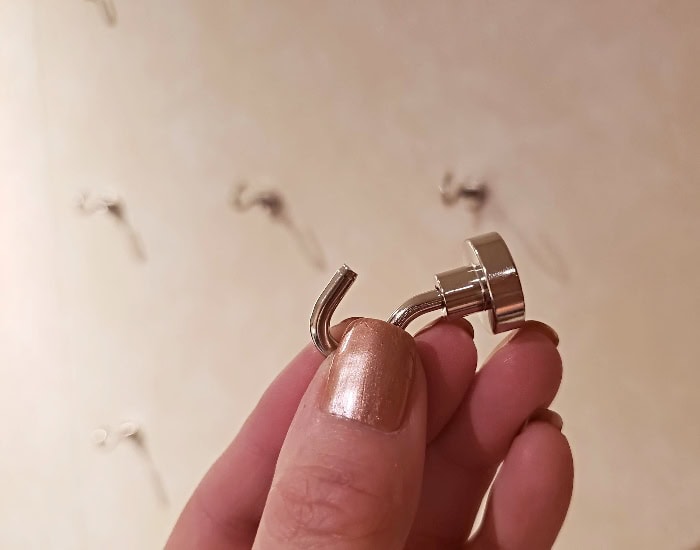
Closet space and hangers are often sparse in a cruise cabin. Magnetic hooks stick to the walls and add extra storage, and they’re especially handy for rain jackets and anything else wet you don’t want in your closet.
There are rarely enough outlets to charge all the devices a family travels with, and we would have been completely out of luck without this foldable USB charger. It’s narrow enough that you can fit another plug next to it, and it gives you four additional ports.
Royal Caribbean is stricter than most cruise lines about what you can plug in, and it only allows chargers with USB and USB-C ports, not traditional outlets. This one meets that requirement, so you don’t have to worry about it getting confiscated as you board.
Alaska is the land of the midnight sun, so during much of the cruise season, the sun comes up early and goes down late. I can’t sleep with any light, and the Manta Sleep Mask blocks it completely.
The adjustable cups fit my face perfectly and keep the mask off my eyes. Mine also has built-in Bluetooth speakers for podcasts or calming music, and I use it every night, including at home.
Laundry sheets let you pack fewer clothes, and there’s no liquid to spill. I put two or three in a zip-top bag, used them in my cabin sink to wash out base layers and socks, and hung everything up to dry overnight.
They dissolve even in cool water and get everything clean. I’ve switched to them for my everyday laundry at home, too.
Pack Toiletries in TSA-Friendly Bottles
I always bring my own shampoo and conditioner, because cruise lines often have no conditioner, or the ones they have don’t work well for my hair. This bar shampoo and bar conditioner work really well for me, won’t spill in my suitcase, and don’t take up room in my liquids bag.
For everything else, like lotion, sunscreen, and hair gel, I use TSA-approved travel bottles. I squeeze in my standard products from home and refill them whenever they get low, so I never have to buy expensive travel sizes.
Stay Healthy on Your Alaska Cruise
Between the excursions, the waves, and people sneezing and coughing everywhere, it’s smart to bring a few just-in-case items. You want to go home in one piece.
I never get seasick, and my son is usually fine on cruises. The Pacific can get rocky, though, and he regretted not listening to me when I told him to pack what he needed.
The seasickness medication they sell on board helped him a little, but not enough. At our next port, we found a drugstore and picked up Sea-Bands and Dramamine, and the Sea-Bands were all he needed.
We couldn’t find ginger gum in port, but it’s the one thing we’ve found that really helps once you start to feel bad. Chew some, and it gets you to a point where Sea-Bands or Dramamine can take over.
I adore the Keep Going First Aid Kit. It’s incredibly well stocked and small enough for my daypack, though you’ll need to add your own preferred pain relievers.
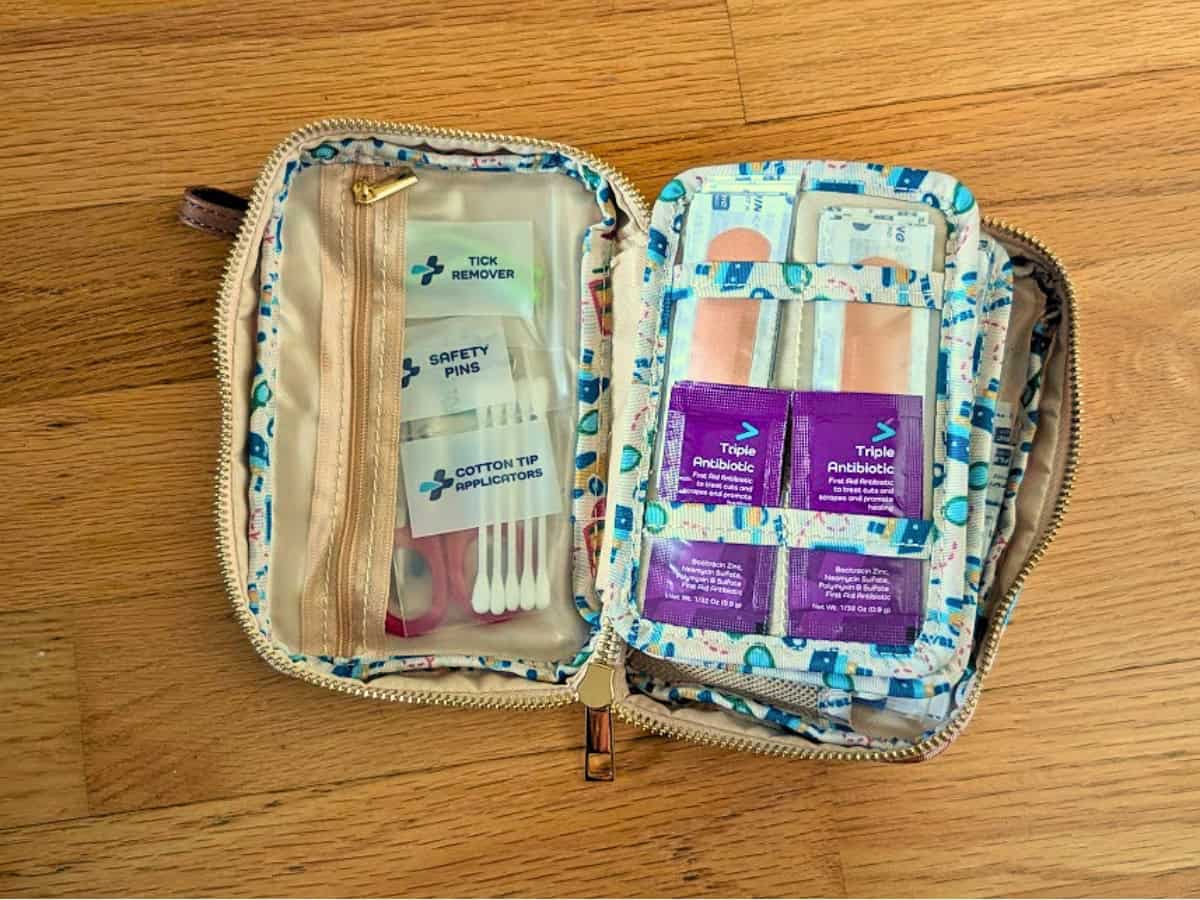
On this trip, I dug into it for bandages and antiseptic wipes one day and the small, carry-on-approved scissors another. I mostly carry it for peace of mind, but when I need something, I’m glad I have it.
The WishGarden Herbs Weekender Kit comes with three herbal formulas in TSA-friendly bottles. Sleepy Nights works well for me when I have a hard time sleeping or need to adjust to a new time zone, and Digestive Rescue is thankfully a just-in-case I never want to be stuck without.
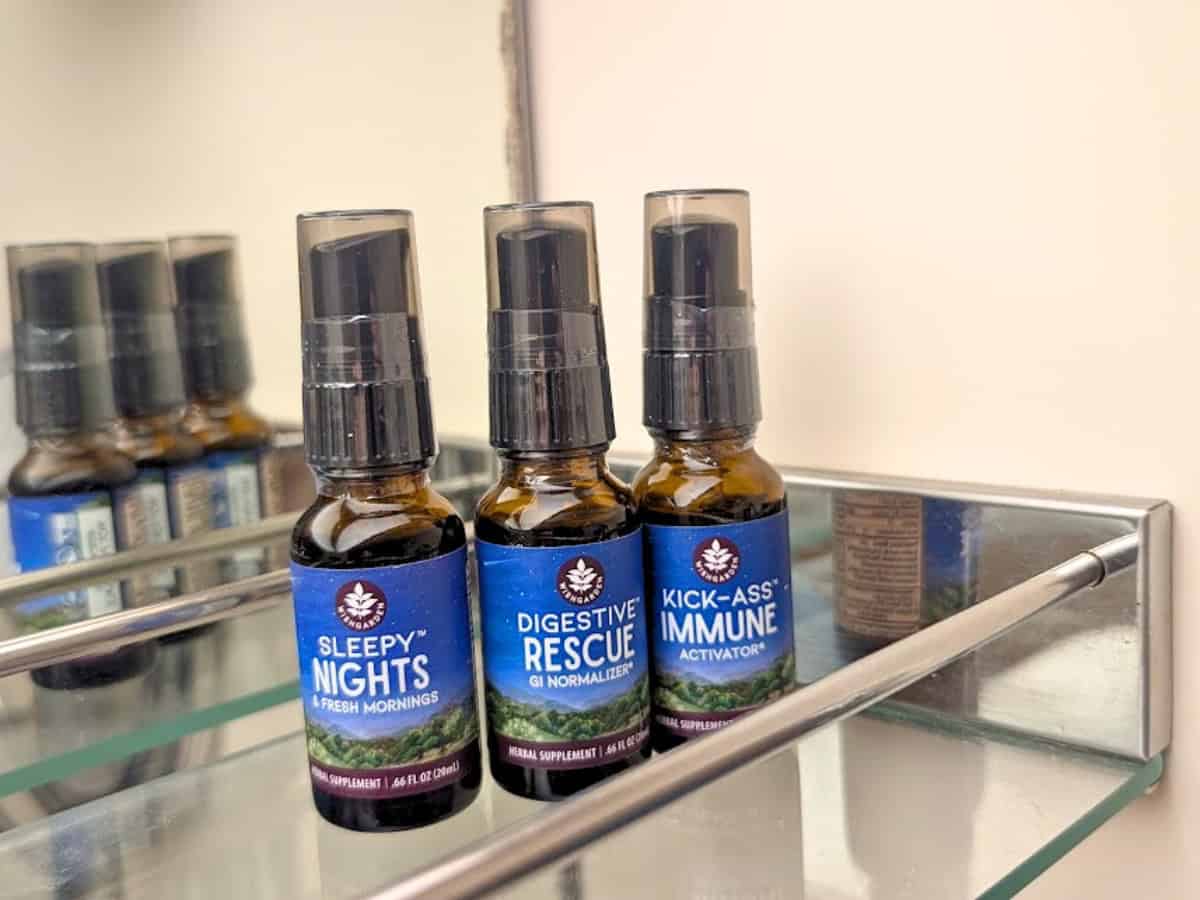
As for the immune formula, the number of people in the cruise Facebook group talking afterward about how they got sick was shocking. My family stayed healthy the whole time and after we got home, too.
Free Printable Alaska Cruise Packing List
I put everything from this article, plus the basics like your passport and toothbrush, onto a one-page checklist. Print it out and check things off as you pack.

Download the free Alaska cruise packing list
Alaska Cruise Packing FAQ
Do you need a swimsuit on an Alaska cruise?
I didn’t bring one, but we saw plenty of people using the hot tubs, even on cool days. Many Alaska cruise ships have retractable roofs over the pool, so check what your ship has and bring a swimsuit and cover-up if that’s your thing.
Do you need a fleece or heavy coat for an Alaska cruise?
I didn’t bring a fleece, because my base layers and rain jackets worked so well together that I didn’t need the extra piece. Thin layers under a waterproof shell give you more flexibility than one heavy coat.
Pack for the Weather You Might Get
We got lucky with sunshine every day, but the next week could just as easily bring nonstop rain and wind. Pack your layers, your rain gear, and the few cabin extras that make life on the ship easier, and you’ll be comfortable whether you’re watching whales from the deck or standing in front of a glacier.
I am a participant in the Amazon Services LLC Associates Program, an affiliate advertising program designed to provide a means for sites to earn advertising fees by advertising and linking to Amazon.com.